(352) 410-8658
⚡Lighting
Up The Impossible⚡
EC # 13015719 ⚡
Free Estimates ⚡
(352) 410-8658 ⚡Lighting Up The Impossible⚡ EC # 13015719 ⚡ Free Estimates ⚡
Electrical Troubleshooting & Repairs
Electrical problems aren't always as simple as flipping a breaker or replacing an outlet. At Nuts & Volts Electric, our licensed and insured electricians provide residential and commercial electrical troubleshooting to identify the source of electrical problems and determine the appropriate solution. From flickering lights and repeatedly tripping breakers to intermittent power, faulty outlets, wiring concerns, and electrical issues that are difficult to pinpoint, we take the time to diagnose the problem before recommending a repair. Serving Hernando, Pasco, and Citrus Counties, we provide straightforward answers, professional recommendations, and dependable electrical repairs for homes and businesses.
What Is Electrical Troubleshooting?
Electrical troubleshooting is the process of finding the source of an electrical problem before making a repair. When an outlet stops working, a breaker keeps tripping, lights flicker, or power cuts in and out, the visible symptom isn't always the actual cause of the problem.
Our electricians evaluate the electrical system, test circuits and components as needed, and work through the possible causes to determine where the problem is occurring. This allows us to address the underlying issue rather than simply replacing a component that may not be the source of the problem.
Whether the issue is in a residential home or a commercial property, proper troubleshooting helps determine what is wrong, why it is happening, and what needs to be done to correct it safely.
Common Electrical Problems We Troubleshoot
Electrical problems can range from a single outlet that stops working to issues affecting an entire circuit or electrical system. Our residential and commercial electricians troubleshoot a wide range of electrical problems, including:
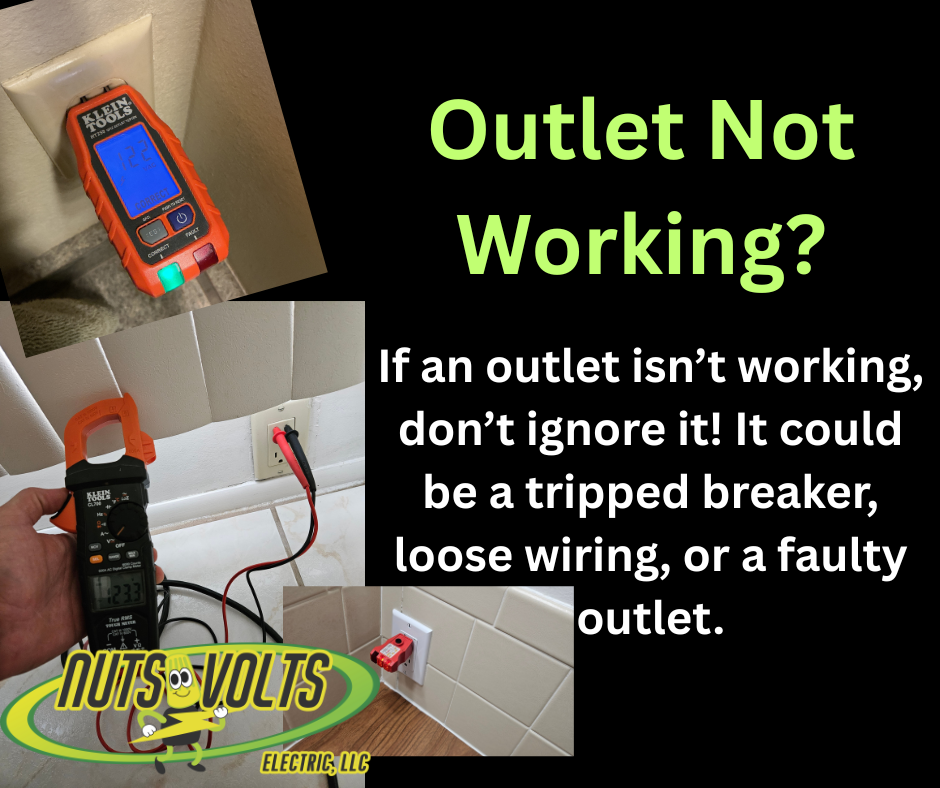
Outlets & Switches — Outlets or switches that stop working, feel loose, become warm, or show signs of damage.
Tripping Circuit Breakers — Breakers that trip repeatedly or circuits that won't stay energized.
Flickering or Dimming Lights — Lights that flicker, dim unexpectedly, or behave inconsistently.
Intermittent Power Loss — Power that cuts in and out or works inconsistently throughout a property.
Electrical Surges — Unexpected surges that may affect appliances, electronics, lighting, or other electrical equipment.
Sparking & Arcing — Visible sparks, unusual electrical sounds, or signs of arcing from outlets, switches, panels, or equipment.
Burning Smells or Overheating — Unusual odors, heat, discoloration, or other signs that an electrical component may be overheating.
Wiring Problems — Damaged, loose, deteriorated, or improperly connected wiring.
Circuit Problems — Circuits that aren't operating properly or aren't supplying power as expected.
Hard-to-Find Electrical Issues — Electrical problems that come and go or don't have an obvious cause.
If you're experiencing an electrical problem and aren't sure what is causing it, troubleshooting is the first step toward finding the right solution.
How Do Electrical Repairs Work?
Once the source of an electrical problem has been identified, we'll explain what we found and what is needed to correct it. Our goal is to give you a clear understanding of the problem so you can make an informed decision about the repair.
1. Diagnose the Problem
We troubleshoot the electrical system to identify the source and determine what is causing the issue.
2. Explain Our Findings
We'll explain what we found, why the problem is occurring, and what could happen if it is left unresolved.
3. Recommend the Right Repair
If a repair, replacement, or electrical upgrade is needed, we'll recommend the appropriate solution based on our findings.
4. Provide an Estimate
When additional work is needed, we'll provide an estimate for the recommended repair before moving forward.
5. Complete the Repair
Once the work is approved, our electricians will complete the repair and take the necessary steps to verify the system is operating properly and safely.
Our approach is simple: diagnose the problem, explain the solution, and let you decide how you'd like to proceed.
Troubleshooting vs. Emergency Electrical Service
Not every electrical problem is an emergency. Some issues can be safely scheduled for routine troubleshooting and repair, while others require immediate attention because they may pose a risk to people or property.
Routine Electrical Troubleshooting
Routine troubleshooting may be appropriate when you're experiencing problems such as:
An outlet or switch that isn't working
Lights that flicker or dim
A breaker that repeatedly trips
Intermittent power
A circuit that isn't working properly
An electrical problem with no obvious cause
These problems should still be addressed, but they may not require emergency service if there is no immediate safety hazard.
When It's an Electrical Emergency
Emergency electrical service is appropriate when there is an immediate risk to your safety, property, or electrical system. Examples include:
Electrical fires or smoke
Active sparking or arcing
Burning electrical odors
Exposed or severely damaged wiring
Electrical damage following a lightning strike
Serious storm-related electrical damage
Other conditions that present an immediate electrical safety hazard
If you're experiencing an electrical emergency, do not attempt to diagnose or repair the problem yourself. If there is a fire, smoke, or immediate danger to life or property, evacuate the area and call 911 first.
For emergency electrical service, visit our Emergency Electrical Services page.
When Should You Call an Electrician?
If an electrical problem keeps happening, is difficult to identify, or doesn't seem to have an obvious solution, it's a good idea to have it evaluated by a licensed electrician. Electrical issues can sometimes indicate a larger problem that isn't visible from the surface.
Consider scheduling electrical troubleshooting if you notice:
A problem that keeps coming back after a reset or temporary fix
Lights, outlets, or switches behaving inconsistently
Breakers that trip repeatedly
Unusual buzzing, crackling, or electrical sounds
Warm or discolored outlets, switches, or electrical equipment
Burning or unusual electrical odors
Unexpected power loss affecting part of your property
An electrical issue you can't safely identify or resolve
When in doubt, don't guess. Having the problem properly diagnosed can help identify the cause and determine whether a repair is needed.
Frequently Asked Questions
-
Our service call fee will be explained when your appointment is scheduled and includes the first 30 minutes of troubleshooting or electrical work. If your repair requires additional labor or parts beyond the initial 30 minutes, we’ll review the additional cost with you before moving forward with any additional work.
-
The time required depends on the type and complexity of the electrical problem. Some issues can be identified quickly, while intermittent or hard-to-find problems may require additional troubleshooting to determine the source.
-
Yes. If a repair is needed, we can provide an estimate for the recommended work. Repairs are only performed after you approve the proposed work.
-
Yes. We provide residential and commercial electrical troubleshooting and repairs, including service for businesses, apartment complexes, condominium associations, and other properties.
-
Some electrical problems are intermittent or have multiple possible causes. Our electricians will work to identify the source of the issue and explain what additional troubleshooting or testing may be necessary if the cause cannot be immediately determined.
-
Not necessarily. Problems such as flickering lights, a malfunctioning outlet, or a repeatedly tripping breaker may be appropriate for routine troubleshooting. If there is an immediate risk involving fire, smoke, active sparking, exposed dangerous wiring, lightning damage, or another serious hazard, use our Emergency Electrical Services instead and call 911 first if there is an immediate threat to life or property.